A neurological evaluation may be appropriate if you experience persistent headaches, dizziness, balance problems, numbness, tingling, weakness, radiating pain, cognitive changes or other symptoms that suggest involvement of the brain or nervous system. Severe or sudden neurological symptoms require emergency medical evaluation.
Neurology after an accident
Neurological evaluation after a car accident in Arizona

Headaches, dizziness, numbness, tingling, weakness, balance problems and other neurological symptoms after a crash deserve the right kind of evaluation. AZ Injury Doctors connects patients with injury-focused neurologists and other neurological specialists across Arizona to evaluate symptoms involving the brain, spine, nerves and nervous system after a car accident or personal injury.
With approximately 125 providers and 75+ communities served statewide, our network can help coordinate neurological care along with imaging, rehabilitation, pain management and other specialties when needed. Intake is answered 24/7 — tell us what happened, what symptoms you are experiencing and where you are located.
25
Years treating injury cases in Arizona
125
Providers in the network
75+
Communities served across Arizona
40+
Law firms we work with
When symptoms involve the nervous system
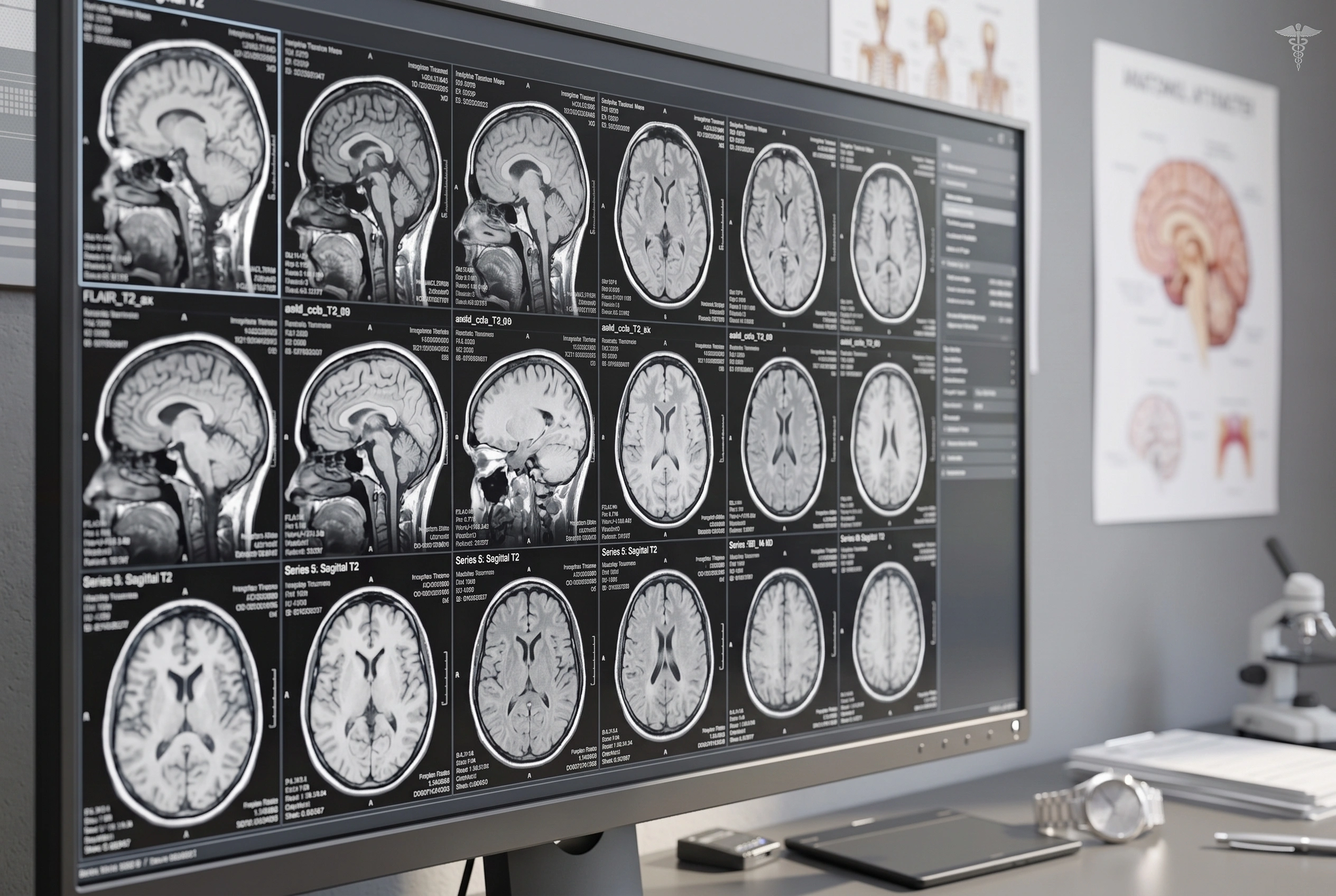
Some accident symptoms need more than musculoskeletal care.
A motor vehicle collision can affect more than muscles and joints. Sudden forces may also involve the brain, spinal nerve roots or peripheral nerves, leading to symptoms that require neurological assessment.
A neurologist is a medical doctor who specializes in conditions affecting the brain, spinal cord and nervous system.
After an accident, neurological evaluation may be appropriate when a patient experiences persistent headaches, dizziness, balance problems, numbness, tingling, weakness, changes in sensation, cognitive symptoms or other findings that suggest nervous-system involvement.
The goal is to understand where the symptoms may be coming from and determine the appropriate next step in care.
Talk with our team →
What we help evaluate
Neurological symptoms after a car accident can take many forms.
Persistent or unusual headaches
Headaches after an accident can have several possible causes, including neck injury, concussion or other neurological conditions. Persistent, worsening or unusual headaches may warrant additional medical evaluation.
Dizziness and balance problems
Feeling dizzy, unsteady or off balance after a collision may involve the vestibular system, concussion or another neurological issue and should be evaluated based on the full clinical picture.
Numbness and tingling
Numbness, tingling or “pins and needles” in the arms, hands, legs or feet may indicate irritation or injury involving nerves or spinal nerve roots.
Weakness
New weakness in an arm, hand, leg or other part of the body can be an important neurological finding and should not be ignored.
Radiating or burning pain
Pain that travels from the neck into an arm or from the lower back into a leg may be associated with nerve irritation or compression and may require neurological or spine evaluation.
Problems with coordination
Difficulty with coordination, walking or controlled movement after an accident may require neurological assessment to identify the cause.
Cognitive or memory changes
Brain fog, difficulty concentrating, slowed thinking or memory problems can occur after concussion or other head injury. These symptoms may require concussion-focused neurological evaluation.
Vision, light or sound sensitivity
Visual disturbance or increased sensitivity to light or noise may occur with concussion or other neurological conditions and should be evaluated in the context of the overall injury.
Important: seek immediate medical attention for severe or worsening headache, repeated vomiting, seizures, increasing confusion, slurred speech, inability to stay awake, new weakness or numbness, loss of consciousness, double vision or other sudden neurological changes.
Finding the source of the symptoms
A neurological examination looks at how the nervous system is functioning.
Review of the accident and symptom history
The neurologist may ask how the collision occurred, whether there was a head impact or rapid movement of the head and neck, when symptoms began and how they have changed.
Neurological examination
Depending on the symptoms, the examination may assess strength, sensation, reflexes, coordination, balance, gait, eye movements, cognitive function or other neurological findings.
Review of imaging and medical records
Existing MRI, CT, X-ray or other medical records may be reviewed to better understand the injury and previous findings.
Additional diagnostic testing
When clinically appropriate, the neurologist may recommend additional testing based on the symptoms and examination.
Treatment or referral plan
The next step may involve symptom management, rehabilitation, further testing, concussion care, pain management or referral to another specialist.
Numbness, tingling and weakness
Accident-related nerve symptoms may need specialized testing.
A collision can injure or irritate nerves directly, or symptoms may result from compression of a nerve root in the neck or lower back. Depending on the symptoms and examination, a neurological provider may evaluate for conditions involving:
- Cervical or lumbar nerve-root irritation
- Peripheral nerve injury
- Radiating arm or leg symptoms
- Changes in sensation
- Muscle weakness
- Numbness or tingling
- Burning or electric-like pain
In some cases, electrodiagnostic testing such as electromyography (EMG) or nerve conduction studies (NCS) may be considered to evaluate nerve and muscle function.
Testing is ordered based on clinical need and provider judgment. Not every patient with numbness, tingling or pain requires EMG or nerve-conduction testing.
Symptoms that can overlap
Head injury, neck injury and neurological symptoms can overlap after a crash.
Headache and dizziness are common reasons patients seek neurological evaluation after an accident, but they do not automatically mean the patient has a concussion. Symptoms can arise from different sources, and the correct treatment depends on the diagnosis.
A neurological evaluation may help determine whether symptoms are more consistent with:
- Concussion or mild traumatic brain injury
- Neck-related headache
- Vestibular dysfunction
- Migraine or another headache disorder
- Nerve involvement
- Another neurological condition
When concussion is suspected, AZ Injury Doctors can coordinate care with the network's concussion evaluation and therapy services.
Two related services
Neurology evaluates the nervous system. Concussion care goes deeper into traumatic brain injury.
These services overlap, but they are not identical.
Neurology
Neurology is the broader specialty. It may evaluate accident-related headaches, dizziness, numbness, weakness, nerve symptoms, balance problems and other findings involving the brain, spine and nervous system.
Concussion evaluation and therapy
The dedicated concussion service focuses specifically on suspected mild traumatic brain injury and persistent post-concussion symptoms such as headaches, dizziness, cognitive changes, light or sound sensitivity, sleep disruption and balance problems.
A patient may begin with neurology and be referred for concussion-focused care, or the reverse, depending on the symptoms and evaluation.
Neurology is one part of the injury-care network
When symptoms cross specialties, your care can stay connected.
Neurological symptoms after an accident can occur alongside neck injuries, back injuries, pain, concussion and functional limitations. AZ Injury Doctors can help coordinate access to:
- Concussion evaluation and therapy
- Medical evaluation and pain management
- Physical therapy and rehabilitation
- Chiropractic care when clinically appropriate
- Orthopedic or spine consultation
- Surgical evaluation
- Trauma counseling
- Diagnostic imaging and additional specialty care when ordered
The appropriate care path depends on the patient's examination and clinical findings.
Getting to the right specialist
We help coordinate the next step.
01
Tell us what happened
Let us know how the accident occurred, which symptoms you are experiencing and whether you have already received medical care or imaging.
02
Identify the appropriate specialty
Our coordination team helps determine whether a neurological provider or another injury-care specialist in the network is the appropriate next step.
03
Complete the evaluation
The treating provider evaluates the symptoms, reviews relevant records and determines whether testing, treatment or another referral is appropriate.
04
Coordinate ongoing care
If the findings call for concussion therapy, rehabilitation, pain management, imaging or another specialist, AZ Injury Doctors can help coordinate those next steps.
A statewide injury network
Neurological care without searching for every specialist yourself.
AZ Injury Doctors is not a single neurology office. We coordinate accident-related care through a growing statewide network of healthcare providers and specialists.
Approximately 125 providers
Our Arizona provider network continues to expand.
75+ communities served
We do not publicly advertise individual providers or exact office addresses. Tell us your city or area and the type of care you need, and our team will help identify available options nearby.
25 years of Arizona injury experience
Our network has decades of experience working with the medical and administrative needs of personal injury cases.
24/7 intake
You can contact AZ Injury Doctors at any time. Our intake and coordination team operates around the clock, responds within the hour and always the same day.
Personal injury neurology
Neurological care and documentation can stay connected.
AZ Injury Doctors currently works with more than 40 law firms and regularly coordinates medical care for patients involved in personal injury claims.
With the patient's authorization, relevant neurological evaluations, diagnostic reports, medical records and referrals can be coordinated with the legal team.
Clinical decisions remain with the treating healthcare providers. The attorney handles legal advice and claim strategy.
Neurology across Arizona
Looking for a neurologist after a car accident?
You do not need to know which individual neurologist to call before contacting AZ Injury Doctors. Tell us where you are located, what symptoms you are experiencing and what treatment or testing you have already received.
Our team can help identify appropriate neurological resources within the statewide injury-care network. AZ Injury Doctors works across 75+ communities in Arizona, but neurology and specialty availability varies by area.
Frequently asked questions
Neurological care after a car accident
When symptoms feel different after a crash
Get neurological symptoms evaluated by the right specialist.
If you are experiencing headaches, dizziness, numbness, tingling, weakness, balance problems or other neurological symptoms after an accident, you do not have to determine the right specialist on your own.
Tell AZ Injury Doctors what happened, what symptoms you are experiencing and where you are located. We will help coordinate the appropriate next step through our statewide injury-care network. Intake is answered 24/7, across Arizona.