No. A surgical consultation is an evaluation. The specialist reviews your injury, symptoms, imaging and treatment history to determine whether surgery, continued conservative care or another treatment approach is appropriate.
Advanced injury care
Surgical evaluation after a car accident in Arizona

Most accident injuries do not begin with surgery. But when a fracture, disc injury, nerve problem, joint injury or other structural damage requires specialist care, getting to the right surgeon matters. AZ Injury Doctors connects patients with orthopedic, spine, hand, foot and other surgical specialists across Arizona when an evaluation or procedure is clinically appropriate.
With approximately 125 providers and 75+ communities served statewide, our network helps coordinate the move from conservative care to advanced specialty treatment without leaving you to navigate the referral process alone. Intake is answered 24/7 — tell us what happened, what care you have already received and where you are located.
25
Years treating injury cases in Arizona
125
Providers in the network
75+
Communities served across Arizona
40+
Law firms we work with
Surgery is not the starting point
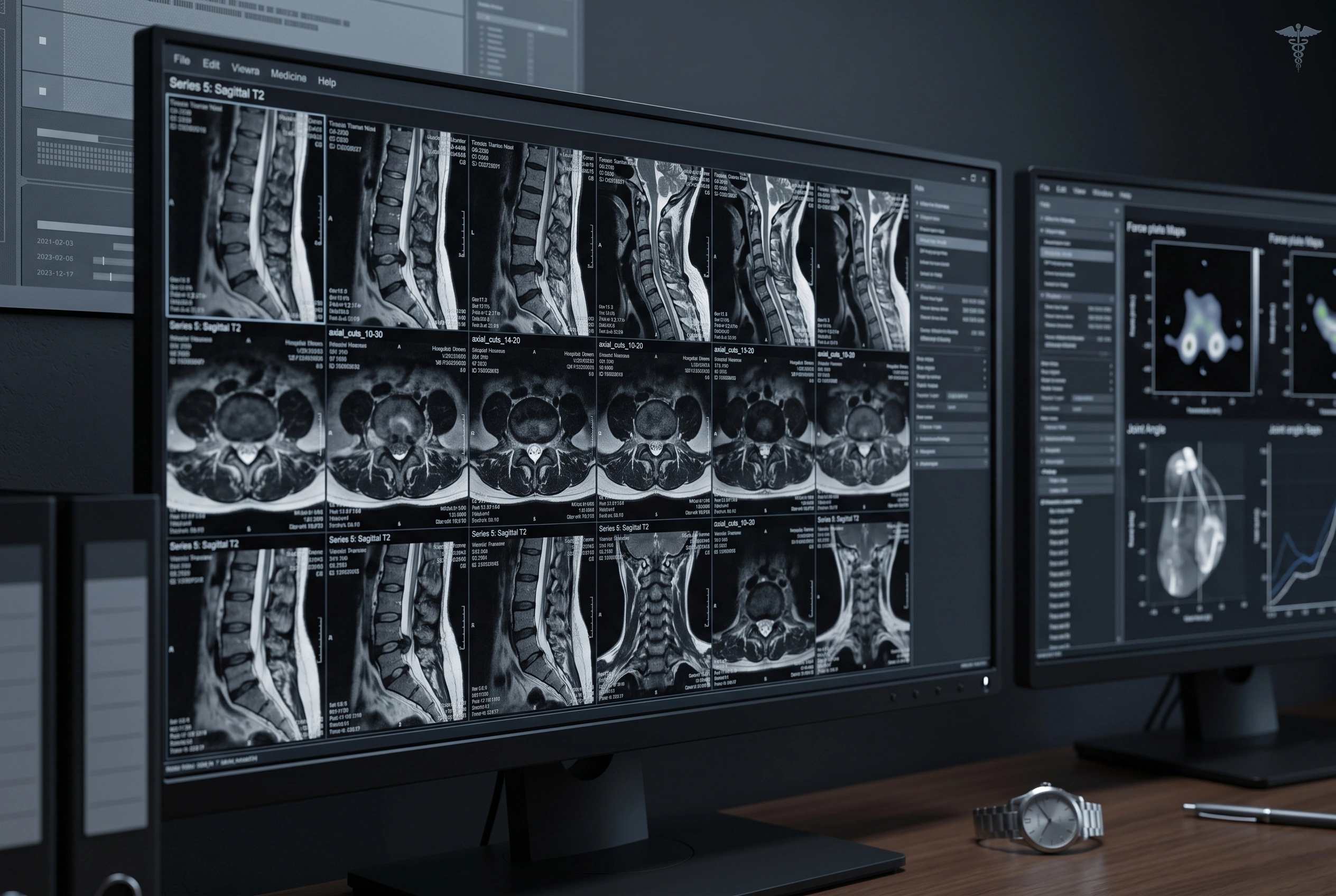
The right question is not “Do I need surgery?” — it is “What does the injury require?”
Many accident-related neck, back and joint injuries can be treated without surgery. Conservative treatment may include chiropractic care, physical therapy, medication, activity modification, injections or other nonsurgical approaches depending on the diagnosis.
A surgical consultation becomes more relevant when imaging or examination findings show a significant structural injury, when neurological symptoms are progressing, when a fracture requires stabilization, or when appropriate nonsurgical care has not provided enough improvement.
The purpose of a surgical evaluation is to understand the injury, review the available options and determine whether surgery is actually necessary.
If specialist care is needed, AZ Injury Doctors can coordinate the referral through its statewide injury network.
Talk with our team →
When advanced care becomes appropriate
Some injuries require a closer look from a specialist.
Herniated or damaged spinal discs
Disc injuries in the neck or lower back may irritate or compress nearby nerves. Many are managed nonsurgically, but persistent symptoms, significant nerve compression or neurological deficits may lead to a spine-surgery consultation.
Fractures
Motor vehicle accidents can cause fractures ranging from stable breaks that heal without surgery to more complex injuries requiring surgical stabilization.
Severe joint injuries
Trauma to the shoulder, hip, knee or other joints may damage bones, cartilage, ligaments, tendons or other structures. Surgery may be considered when the injury is unstable, significantly affects function or cannot be adequately managed with conservative treatment.
Nerve compression or neurological deficits
Progressive weakness, significant numbness or other neurological findings associated with a spinal or orthopedic injury may require urgent specialist evaluation.
Ligament or tendon tears
Some traumatic tears can be treated through rehabilitation, while others may require surgical repair depending on the structure involved, severity and functional impact.
Injuries not improving with conservative care
When appropriate nonsurgical treatment has not provided sufficient improvement, a specialist may review the diagnosis, imaging and treatment history to determine whether another option should be considered.
Important: new or worsening weakness, loss of sensation, loss of bowel or bladder control, severe trauma, inability to bear weight, visible deformity or other emergency symptoms require prompt medical attention. Call 911 or seek emergency care when appropriate.
Specialist care through the network
The type of surgeon depends on the injury.
AZ Injury Doctors can coordinate surgical consultations across several areas of accident-related care, subject to provider availability and clinical need.
Spine surgery
Spine specialists evaluate injuries affecting the cervical, thoracic and lumbar spine, including certain disc injuries, fractures, instability and nerve compression.
A consultation does not automatically mean surgery. The surgeon reviews the diagnosis, imaging, symptoms and previous care before recommending an appropriate treatment path.
Orthopedic surgery
Orthopedic surgeons evaluate traumatic injuries involving bones, joints, ligaments, tendons and other parts of the musculoskeletal system.
Depending on the injury, this may include shoulder, hip, knee, elbow or other orthopedic conditions caused by a collision or fall.
Hand and wrist surgery
Hand specialists may evaluate fractures, tendon injuries, ligament damage, nerve injuries and other traumatic conditions involving the hand, wrist or fingers.
Foot and ankle surgery
Foot and ankle specialists can evaluate fractures, ligament injuries, tendon damage and other traumatic injuries affecting walking, stability and lower-extremity function.
Fracture and trauma surgery
More serious fractures may require orthopedic trauma evaluation and surgical stabilization. Treatment depends on the location of the fracture, alignment, stability, soft-tissue damage and other clinical factors.
Evaluation before a decision
A consultation is about understanding your options.
01
Review the injury and treatment history
The specialist reviews how the accident happened, your symptoms, prior treatment, medical history and how the injury is affecting your daily life.
02
Examine the affected area
Depending on the injury, the examination may assess motion, strength, sensation, stability, tenderness, gait or other orthopedic and neurological findings.
03
Review diagnostic imaging
The surgeon may review existing X-rays, MRI, CT scans or other testing. Additional imaging may be ordered when necessary.
04
Compare surgical and nonsurgical options
If more than one treatment path is reasonable, the specialist can explain the alternatives, potential benefits, risks and expected rehabilitation requirements.
05
Build the next phase of care
If surgery is recommended, the treating surgeon determines the procedure and preoperative plan. If surgery is not recommended, care may return to rehabilitation, pain management or another appropriate specialty.
Treatment depends on the diagnosis
There is no single “car accident surgery.”
The procedure, if any, is determined by the specific injury.
Spine procedures
Depending on the diagnosis, spine surgery may involve decompression, discectomy, fusion, stabilization or another procedure designed to address a specific structural problem.
Fracture fixation
Certain displaced or unstable fractures may require surgical alignment and fixation using plates, screws, rods or other devices.
Ligament or tendon repair
Some traumatic ligament or tendon injuries may require repair or reconstruction to restore stability and function.
Joint surgery
Certain shoulder, knee, hip or other joint injuries may require arthroscopic or open surgical treatment depending on the damaged structure and severity.
Hand, wrist, foot or ankle procedures
Traumatic fractures, tendon injuries, ligament damage or nerve injuries may require procedures specific to the affected area.
One connected treatment path
Surgical care does not happen in isolation.
Patients who need surgical treatment often move through several stages of care. AZ Injury Doctors can help coordinate access to:
- Medical evaluation
- Diagnostic imaging
- Pain management
- Orthopedic or spine consultation
- Physical therapy and rehabilitation
- Chiropractic care when clinically appropriate
- Neurology
- Concussion care
- Other specialists based on the injury
After a procedure, rehabilitation and follow-up are determined by the treating surgeon and rehabilitation team.
The network model helps keep referrals and treatment transitions organized rather than forcing the patient to find each provider independently.
From referral to specialist care
We help coordinate the next step.
01
Tell us where you are in treatment
Some patients contact AZ Injury Doctors immediately after an accident. Others come to us after weeks of conservative care, imaging or an existing recommendation for specialist evaluation.
02
Identify the appropriate specialty
Our team reviews the type of care being requested and helps connect you with an appropriate provider in the network based on your injury and geographic area.
03
Complete the specialist evaluation
The surgeon or specialist reviews the medical information and determines whether additional testing, nonsurgical treatment or surgery is appropriate.
04
Coordinate ongoing care
If treatment requires rehabilitation, pain management, follow-up imaging or another specialty, AZ Injury Doctors can help coordinate those next steps through the network.
A statewide injury network
Specialist access without searching for every provider yourself.
AZ Injury Doctors is not a single surgical practice or surgery center. We coordinate care across a growing statewide network of injury-focused providers and specialists.
Approximately 125 providers
Our Arizona provider network continues to grow.
75+ communities served
We do not publicly advertise individual provider names or exact street addresses. Tell us where you are located and what specialty you need, and our team will help identify available options.
25 years of Arizona injury experience
Our network is built around the medical and administrative needs of personal injury cases.
24/7 intake
Our coordination team accepts inquiries around the clock, including patients who need help identifying the next appropriate level of care. We respond within the hour and always the same day.
Personal injury cases
Advanced medical care and documentation can stay connected.
AZ Injury Doctors currently works with more than 40 law firms and regularly coordinates medical care for patients with personal injury claims.
With the patient's authorization, relevant medical records, imaging, referrals and treatment information can be coordinated with the legal team.
The surgeon and other treating providers make clinical decisions based on the patient's medical needs. The attorney handles legal advice and claim strategy.
Specialist care across Arizona
Need an orthopedic or spine specialist after an accident?
You do not need to know which individual surgeon to call before contacting us. Tell AZ Injury Doctors where you are located, what injury you are dealing with, what treatment you have already received and whether you have imaging or a specialist recommendation.
Our coordination team will help identify appropriate surgical or orthopedic resources within the network. AZ Injury Doctors works across 75+ communities statewide, but surgical specialty availability varies by area.
Frequently asked questions
Surgical care after a car accident
When your injury needs a specialist
Get connected to the right level of care.
If your doctor has recommended a surgical consultation — or your injury is not progressing with conservative treatment — AZ Injury Doctors can help coordinate the next step.
Tell us what happened, what treatment you have received, whether you have imaging and where you are located. We will help connect you with an appropriate injury specialist within the Arizona network. Intake is answered 24/7, across Arizona.