A pain-management provider evaluates the nature and severity of your symptoms, reviews relevant medical history and previous treatment, and determines whether additional testing, medication, rehabilitation, an interventional treatment or another specialist may be appropriate.
Medical care after an accident
Car accident pain management and medical evaluation in Arizona
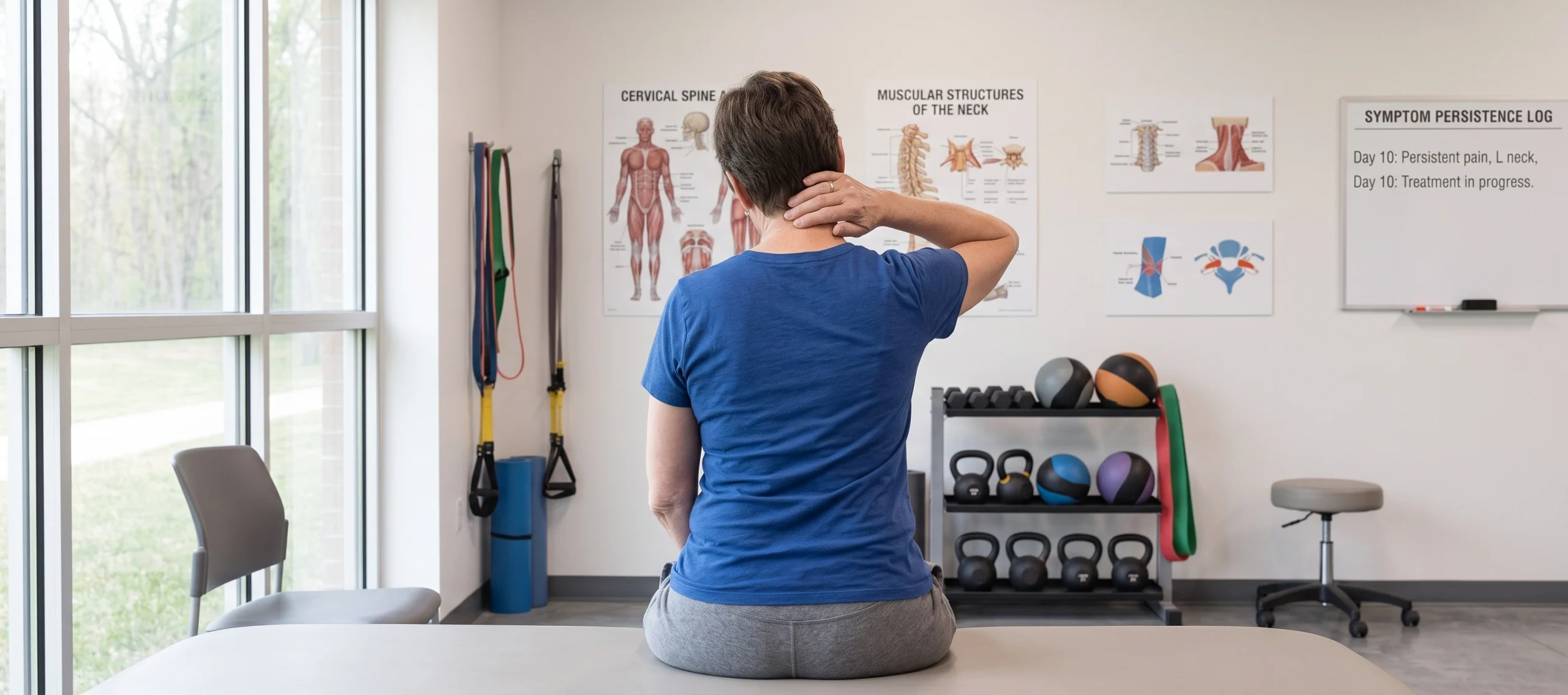
Pain after a crash can be simple — or it can point to an injury that needs a closer medical evaluation. AZ Injury Doctors connects patients with injury-focused medical and pain-management providers across Arizona for evaluation, diagnosis, treatment planning and coordinated referrals when conservative care alone is not enough.
With approximately 125 providers and 75+ communities served statewide, our network helps patients reach the appropriate level of care without having to navigate the medical system alone. Intake is answered 24/7 — tell us what happened, what you are feeling and where you are located.
25
Years treating injury cases in Arizona
125
Providers in the network
75+
Communities served across Arizona
40+
Law firms we work with
Evaluation before treatment
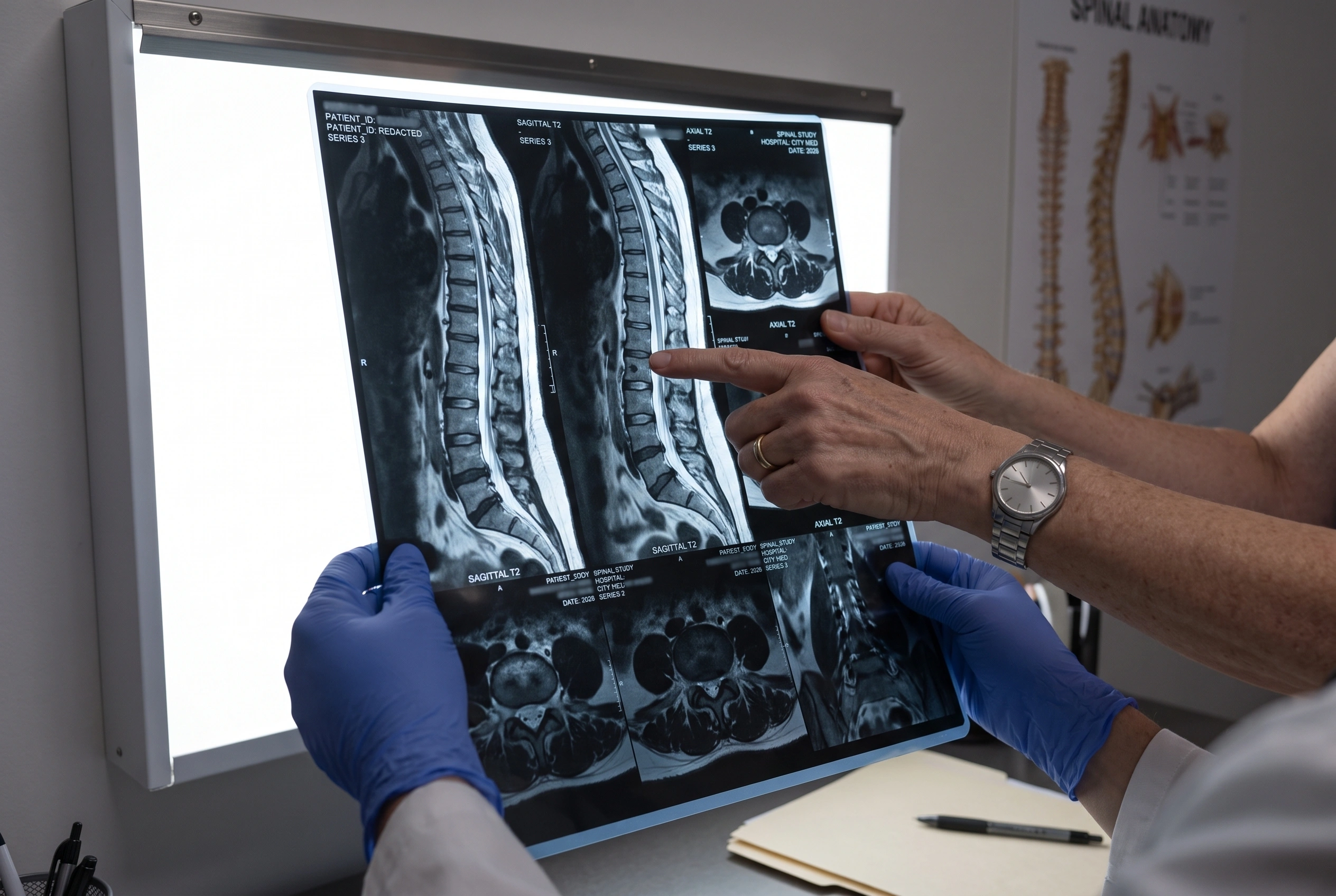
Pain management starts with understanding the injury.
Neck pain, back pain, headaches, joint pain, numbness and other symptoms can have different causes after a motor vehicle accident. The right treatment depends on what was injured, how severe the symptoms are and whether nerves, joints, muscles, discs or other structures may be involved.
A medical or pain-management evaluation looks beyond the pain score alone. Your provider reviews the accident, your symptoms, previous treatment, medical history and examination findings before recommending the next step.
For some patients, that next step may remain conservative. Others may need diagnostic imaging, medication management, an interventional procedure, rehabilitation, neurological evaluation or consultation with another specialist.
AZ Injury Doctors helps coordinate those pieces through one statewide injury-care network.
Request a medical evaluation →
When symptoms need a closer look
Not every accident injury follows the same recovery path.
A pain-management or medical evaluation may be appropriate when symptoms are persistent, worsening, affecting everyday function or not responding as expected to initial conservative care.
Persistent neck pain
Neck pain after a collision may involve muscles, joints, discs, nerves or other structures. A medical evaluation can help determine whether additional testing or treatment is appropriate.
Back pain
Lower, middle or upper back pain can interfere with sitting, standing, walking, lifting, sleep and work. Persistent or severe symptoms may require further assessment beyond conservative treatment.
Radiating pain, numbness or tingling
Pain that travels into an arm or leg, or symptoms such as numbness and tingling, may suggest nerve involvement and warrant additional medical evaluation.
Headaches after an accident
Headaches following a crash can have multiple causes. Depending on the symptoms and examination, the patient may need medical, neurological or concussion evaluation rather than pain management alone.
Joint pain
Shoulder, hip, knee and other joint injuries can occur during a collision. Persistent pain or reduced function may require imaging, rehabilitation or specialist evaluation.
Pain that limits daily activity
When symptoms interfere with sleep, driving, work, walking, lifting or other normal activities, the treatment plan may need to be reassessed.
Symptoms that are not improving
If initial treatment has not produced the expected progress, a medical or pain-management provider can reevaluate the condition and determine whether another approach is warranted.
Important: severe headache, new weakness, loss of sensation, confusion, loss of consciousness, difficulty speaking, chest pain, trouble breathing, loss of bowel or bladder control, or other serious symptoms require prompt medical attention. Call 911 or seek emergency care when appropriate.
A more detailed medical assessment
The goal is to identify the next appropriate step in care.
Review of the accident and medical history
Your provider will ask how the collision occurred, when symptoms began, how they have changed and what treatment you have already received.
Physical and neurological examination
The examination may assess movement, strength, sensation, reflexes, areas of tenderness and other findings relevant to your symptoms.
Review of existing imaging
If X-rays, MRI, CT scans or other studies have already been completed, the provider may review those results as part of the evaluation.
Additional diagnostic testing
When clinically appropriate, further imaging or diagnostic testing may be ordered to clarify the source of persistent or more complex symptoms.
Individualized treatment planning
Recommendations are based on the findings of the evaluation rather than applying the same treatment to every accident patient.
Individualized pain management
Treatment depends on the injury, findings and your response to care.
Pain management is not one single procedure. Depending on the diagnosis, severity of symptoms, prior treatment and provider, an individualized plan may include a combination of conservative and medical approaches.
Medication management
A medical provider may determine whether prescription or non-prescription medication has a role in managing symptoms. Medication decisions should be individualized and monitored by the treating clinician.
Image-guided or interventional procedures
For certain diagnoses, a qualified pain-management physician may consider injections, nerve-targeted procedures or other interventional treatments when clinically appropriate.
Physical therapy and rehabilitation
Rehabilitation may remain an important part of care when mobility, strength or function has been affected by the injury.
Chiropractic care
For appropriate musculoskeletal conditions, chiropractic care may continue as part of a coordinated conservative treatment plan.
Specialist referral
Some findings require a different specialty. AZ Injury Doctors can coordinate neurological, concussion, orthopedic, surgical or other specialist care when indicated.
When more information is needed
The next step may be imaging, rehabilitation or specialist care.
Persistent symptoms after an accident do not automatically mean a patient needs a procedure. A responsible treatment path may involve additional information first.
Depending on the examination, a provider may recommend diagnostic imaging, physical therapy, chiropractic care, neurological evaluation, concussion evaluation, orthopedic consultation, surgical consultation or other specialty care based on clinical findings.
The advantage of the AZ Injury Doctors network is coordination. If your care needs to move from one discipline to another, you do not have to rebuild the process from the beginning.
How it works
One network can coordinate the next stage of your injury care.
01
Tell us what happened
Contact AZ Injury Doctors and explain the accident, your symptoms, previous treatment and where you are located.
02
Connect with an appropriate provider
Our team helps identify an injury-care provider in the network based on your needs and geographic area.
03
Complete the medical evaluation
Your provider examines your condition, reviews relevant records and determines whether additional testing or treatment is appropriate.
04
Coordinate the next step
If your care requires rehabilitation, imaging, pain management, neurology, concussion treatment or another specialist, AZ Injury Doctors can help coordinate the referral through the network.
A statewide personal injury network
Medical care without having to navigate every referral yourself.
AZ Injury Doctors is not a single pain-management clinic. We coordinate medical care across a growing network of injury-focused providers throughout Arizona.
Approximately 125 providers
Our statewide network continues to expand as additional injury-care providers join.
75+ communities served
We do not publicly advertise individual provider names or exact office addresses. Tell us your city or area and our team will help connect you with appropriate care nearby.
25 years of Arizona injury experience
Our network has decades of experience coordinating care for accident and personal injury cases in Arizona.
24/7 intake
You can contact AZ Injury Doctors at any time. Our intake and coordination team operates around the clock, responds within the hour and always the same day.
Personal injury care
Medical treatment and case documentation can stay connected.
AZ Injury Doctors currently works with more than 40 law firms and regularly coordinates treatment for patients involved in personal injury matters.
With the patient's authorization, relevant medical records, treatment information and referrals can be coordinated with the legal team handling the claim.
Clinical decisions remain with the treating healthcare providers. Legal advice and claim strategy remain with the patient's attorney.
Pain management across Arizona
Find accident injury care close to home.
You do not need to know which pain-management provider to call. Tell us where you are located and what has happened since the accident, and our team will identify available options within the network and coordinate the next step.
AZ Injury Doctors coordinates care across 75+ communities in Arizona, helping patients find appropriate care based on their city, symptoms and the specialty they need. Pain-management specialty availability varies by area.
Frequently asked questions
Pain management after a car accident
When pain is not improving
Get the next step in your care figured out.
If pain from an accident is persistent, limiting your daily life or not responding to your current treatment plan, you do not have to determine the next specialist on your own.
Tell AZ Injury Doctors what happened, what care you have already received and where you are located. We will help connect you with an appropriate injury-focused provider and coordinate additional care when needed. Intake is answered 24/7, across Arizona.